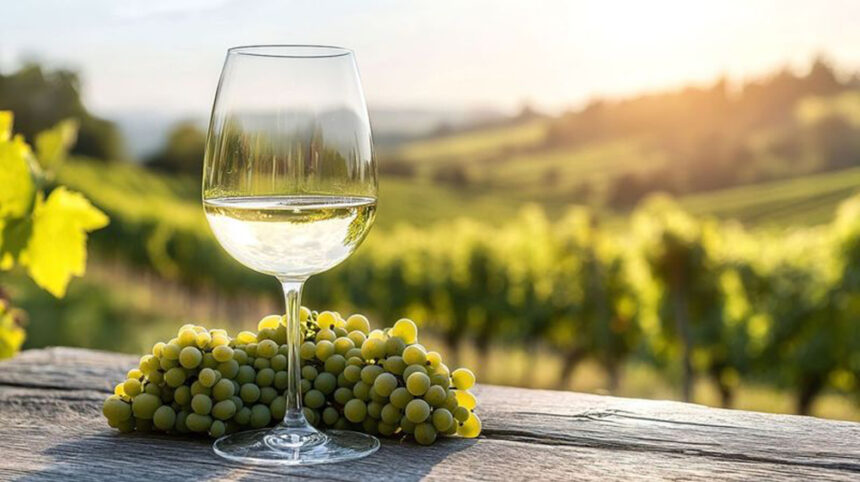
SUSSEX is widely regarded as England’s premier wine region, home to a quarter of the UK’s vineyards, the largest concentration of vineyards in any county.
In East Sussex, we’re lucky enough to have several on our doorstep: from the sprawling Rathfinny Estate in Alfriston to Beacon Down and Hidden Springs in Heathfield, Off The Line in Hellingly, and Henners in Herstmonceux.
The Rother Wine Triangle, which launched last year, is also nearby, including Sedlescombe, Mountfield and Oastbrook vineyards in Robertsbridge, Charles Palmer Vineyard in Winchelsea, Tillingham in Peasmarsh and Oxney Organic Estate in Rye.
While the region does produce its fair share of delicious still wines, it’s Sussex Sparkling, made from the same Pinot Noir, Pinot Meunier and Chardonnay grape varieties as Champagne, which is the most famous.
Sussex benefits from a maritime climate – mild temperatures with cool evenings, helping grapes maintain their acidity, which is crucial for making sparkling wine. The region also enjoys on average 1,400 hours of sunshine annually, providing perfect ripening conditions.
Rathfinny’s Nick Toomey told us: “Climate change has caused warmer summers and that has given investors more confidence, but ultimately you do need a cooler climate to make sparkling wines. When you put the wine in the bottle, it goes through a second fermentation from 8% to 12% alcohol content.
“The base level of alcohol is dictated by how much sugar there is in the grapes. For example, in the South of Italy, where they make those big red wines, it’s so hot in the summer that the grapes are full of sugar, so when they ferment, they come out as naturally around 15% alcohol. If you tried to make sparkling wine from that, you’d end up with a wine that was 18% alcohol.
“You want sparkling wine to be fresh, full of energy and zippy, and to have a wine like that, you need high levels of acidity. So, in our cooler climate, we have high acidity and low levels of sugar, which is perfect for making sparkling wines.”
Of course, you can’t always rely on the British weather, and a bad spell can be devastating to wine-making.
Nick added: “Green shoots start appearing on the vines in early April, and from that moment until harvest in October, there are lots of moments where things can go wrong.
“For the vineyard team, it’s like carrying a Ming vase through summer with the hope that when we get to the end, we have enough good fruit. A spring frost can be devastating, damaging those first green buds and the future crop and potentially reducing yield by 50%. Wet and windy weather can affect how the bunch is formed. We always say that if we get a good Wimbledon, that generally means we’ll get a good crop. From that moment, we want a nice, long, warm summer where the grapes and their flavours can develop.”
Sussex also benefits from the same chalky soils as the Champagne area in northeastern France and the two regions are connected by a huge bedrock of chalk across the English Channel.
In 2022, Sussex was granted the UK’s first Protected Designation of Origin (PDO), putting Sussex Sparkling on the same footing as Champagne, Bordeaux, Stilton, Parma Ham and many others.
A PDO recognises drinks and foods which have been produced in a certain geographical area using particular methods to ensure consistent quality.
Wine making is a long process: after planting vines, they need time to establish, and it takes around three years until you get your first crop. It’s not known how long vines can live for in the UK because it’s still a relatively new industry, but there are parts of the world where vines can live up to 100 years and longer.
The traditional sparkling wine process begins with harvesting the grapes and pressing them to produce still wine. Sugar and yeast are added; the wine is bottled and a cap placed on top. The sugar metabolises and produces alcohol and carbon dioxide. The alcohol level rises from 8% to around 12% and pressure builds, adding the fizz.
The sparkling wine is then left in cellar for around three years to achieve depths of flavour. It takes three to five years on average from harvesting the grapes for wine to be fit for consumption.
If your bottle of wine is vintage 2018, for example, it means it was made from grapes harvested that year. So, a wine of a different vintage may vary in taste depending on what the weather was like that year.
Wine enthusiasts wishing to travel further across the county can visit Britain’s first commercial vineyard, Bolney Wine Estate in Haywards Heath, West Sussex, which was established in 1972. Nyetimber is Sussex’s largest producer of wine with several vineyards across the county and Ridgeview, near Burgess Hill, has been producing sparkling wine since 1995.
Sussex has become one of the most exciting wine regions in the world. So, the next time you want to buy a celebratory bottle of fizz, support local business and produce and choose Sussex Sparkling instead of Champagne.
Visit a local vineyard…
Rathfinny Wine Estate, Alfriston
Rathfinnyestate.com
The largest single-site estate in the region, everything from grape to glass happens at Rathfinny. Established in 2010 by Mark and Sarah Driver, the vineyard is the first grower-producer of sparkling wine in the world to achieve B Corp status. Visitors can stay onsite at the award-winning B&B Flint Barns and Cottage, tour the vineyard, enjoy a meal at the Flint Barns Dining Room or a drink at the al-fresco Hut wine bar, which opens for the season on March 2.
Beacon Down, Heathfield
Beacondown.co.uk
Set across 18-acres, Beacon Down has views across the South Downs to Eastbourne and is run by Paul and Al Pippard, who first planted 10,000 vines in 2015. Their roster of award-winning wines includes their Blanc de Noirs, which is available in selected Waitrose stores across the region. Bookings are now available for the tour season which begins in May plus there are plans to open a shop and café in late spring. The café will serve local cheese and charcuterie boards, with still and sparkling wine by the glass, as well as other local drinks, with the shop stocking local Sussex produce.
Off The Line, Hellingly
Offthelinevineyard.com
Established in 2014, Off The Line is located just off the Cuckoo Trail and produces still and sparkling English rosé wines. Weekend tasting and tours run from May, plus there’s an onsite wine bar, Off The Vine, selling a selection of local wines and beers, and charcuterie and cheeseboards on Saturday and Sunday.
Hidden Spring, Heathfield
Hiddenspring.co.uk
The 23-acre boutique vineyard Hidden Spring was originally established in 1986 before becoming a campsite in the 2000s. In 2015, 24,000 vines were planted and the campsite closed. Richard and Sara Asman took ownership of Hidden Spring Vineyard in early 2022, and now it produces a range of still and sparkling wines. Tours and tastings are available on selected Saturdays.
Henners, Herstmonceux
Henners.com
Established in the 2000s, Henners is a thriving local vineyard. With sister vineyards in France, Italy, South Africa and New Zealand, Henners is a founding member of Sustainable Wines of Great Britain and produces a range of award-winning still and sparkling wines.
It also hosts food pop-ups every weekend from April to September and has a calendar of special events, including the upcoming Mother’s Day Tour and Tasting. The Cellar Door, serving a menu of light lunches, Henners wines, local beers and soft drinks is open Thursday-Sunday.